One buyer really likes the shade, yet later in the day the cap no longer feels comfortable. For another wearer, the advantage of the natural-looking hairline comes with a drawback: twenty minutes of work on the lace each morning is more than they want. Someone else buys a beautiful unit, only to discover that the density feels heavier than expected.
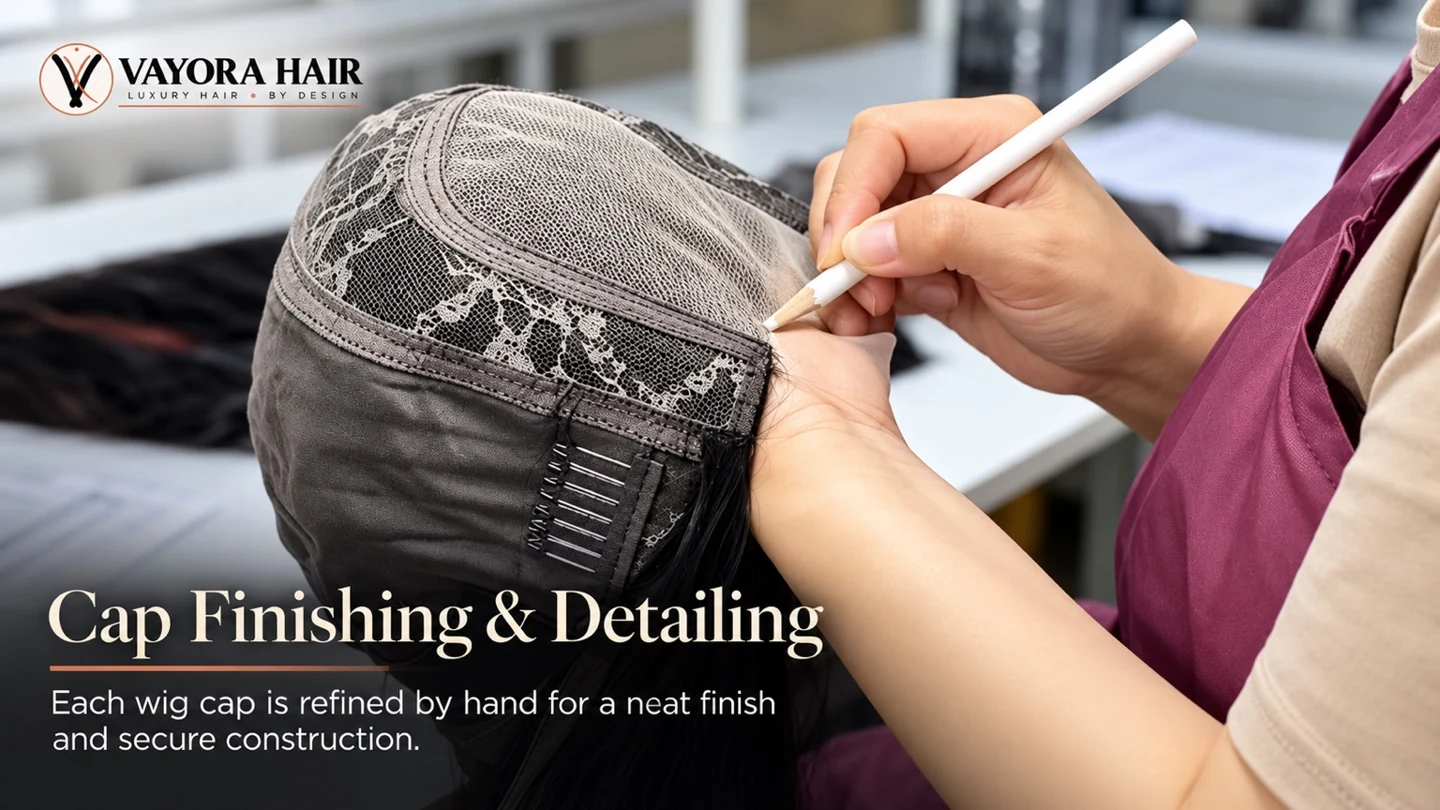
Image credit: vayorahair.com
For a wig brand, these comments are more than customer feedback. They highlight opportunities to create wigs customers genuinely like to wear.
A well-received wig collection does not have to center on the latest viral hairstyle. A collection should begin with the wearer’s needs and the experience they want when they put it on.
Listen to the Problems Behind the Purchase
A customer’s explanation of a need is rarely expressed in the language of manufacturing. They talk about comfort, convenience, appearance, and confidence. A construction without glue could be one response to feedback about reducing the effort of the morning routine. Feedback about a hairline that does not look natural can highlight possible issues with lace appearance, knot treatment, hair density, or parting design.
A human hair wig manufacturer China brands work with should be able to translate these everyday concerns into measurable product specifications.
Rather than ordering a 22-inch body-wave wig alone, a buyer can outline the experience intended for wearers, how the cap should fit, lace construction, the look of the hairline, and finished weight. Such detail provides the development team with a better-defined target.
Establish a Consistent Private Label Collection
A common pitfall for emerging wig brands is to build their range around whatever is popular at the time. The result can be a collection that looks remarkably similar to competing stores.
A collaborative relationship with a private label wig manufacturer China retailers choose can help a brand establish a more unified product identity. That might mean creating a lightweight everyday collection, a premium natural-hairline range, or ready-to-wear wigs designed for customers who prefer minimal preparation. To keep the collection cohesive, align texture, length, color, density, cap construction, and packaging with one customer promise. A identifiable product range can encourage repeat visits for reasons other than a temporary discount.
What Matters in Glueless Wig Construction
Although the word “glueless” seems simple, the experience of wearing the wig depends on multiple construction choices. Everything from cap sizing and adjustment features to attachment components, lace preparation, and hairline design affects how securely and comfortably the unit fits.
Clarifying these requirements before production is something a glueless wig manufacturer China buyers work with should assist with. For a range intended for beginners, the priorities may include density that is easy to manage, pre-cut lace, and straightforward adjustments. A professional stylist’s collection might require different customization options. There is no automatic advantage for either approach. Each serves a different customer.
Evaluating Samples and Brand Reputation
There are details of a wig that cannot be assessed from an image alone. A buyer should assess cap fit and hair movement, check the color against expectations, and verify whether the finished construction matches the approved design. Reviewing samples allows buyers to spot differences before placing a larger order.
Consistently producing the same style calls for written specifications and quality-control procedures, particularly for a wholesale human hair wigs supplier handling repeat orders. A lack of clear production references can make it difficult to reproduce the results of a successful first batch reliably.
Build a Collection That Can Grow
VAYORA works with B2B wig brands, retailers, and distributors to support product development, private label services, sampling, specification control, and repeat-production processes. Its approach connects customer expectations with the physical details that determine how a wig looks, fits, and feels.
A catalog expansion should follow a careful review of customer feedback, identification of the strongest product opportunities, and establishment of clear approval standards. A well-received future range might not depend on adding more styles. The greater opportunity may lie in improving the styles customers already want.