It’s easy to conclude that superior medical imaging involves producing more precise images. But, in reality, radiology usefulness has more of a purpose. It is important to determine whether medical tests will provide the required information for a specific situation.
For instance, a patient who suspects a joint issue presents a different set of diagnostic issues when undergoing prostate or breast imaging. Modern radiology addresses these differentiators through a range of imaging techniques rather than using a single scanner in every situation.
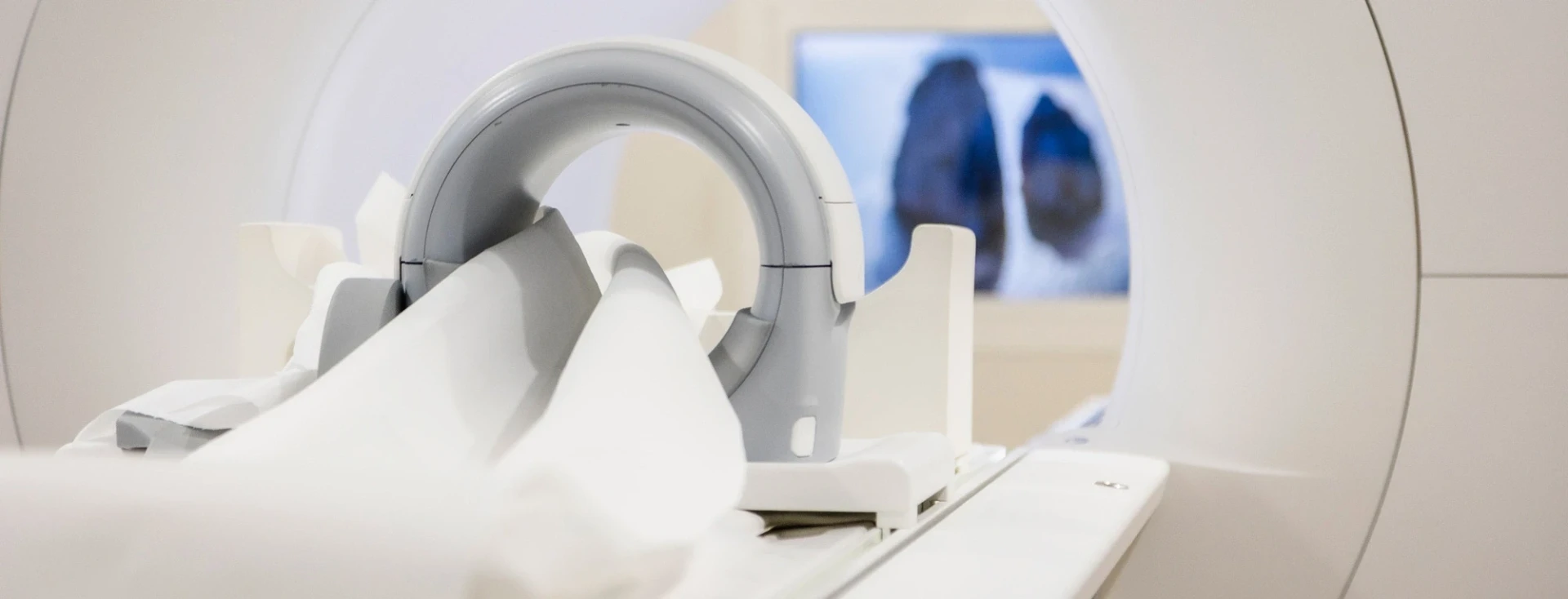
Image credit: diagnostikzentrum-wolfsburg.de
Patients have access to a broad variety of diagnostic services as well as imaging-guided procedures at the Wolfsburg Diagnostic Center.
Different areas of the body show themselves in different ways
Using different imaging techniques, using different imaging techniques, the bones, soft tissues organs, joints, and other structures may not appear in the exact identical way.
Magnetic resonance imaging may be particularly beneficial when a thorough image of soft tissue structures is needed. The Wolfsburg Diagnostic Center has two 1.5 Tesla MRIs that are used for examinations of the brain and spine and internal organs as well as soft tissue.
MRI doesn’t use X-ray radiation. When appropriate, the center can offer more specific examinations like prostate MRIs as well as whole-body MRIs.
The term “MRI” refers to a term used to describe a method that describes the use of the technology. But the medical concern will determine how it is used.
CT provides a different point of perspective
The role CT plays in diagnostic medicine is unique. CT uses X Rays to produce precise cross-sectional body images. In the Wolfsburg Diagnostic Center the examinations are carried out using low-dose technology intended to decrease radiation exposure while maintaining quality of the images required for evaluating. For more information, click here privat MRT
The individual clinical situation will determine the most appropriate imaging technique. There is no requirement to say that having a better sounding image indicates that it is better.
Digital X-Ray Remains Relevant
MRI, CT and other imaging techniques are getting an increasing amount of attention. This can make conventional the X-rays look outdated. Modern digital Xrays tell different story.
Digital systems are still a common method to study skeletal structures. High-resolution imaging is combined with radiation-safe techniques in modern equipment.
In other words, newer technology has expanded the radiologists’ options instead of simply replacing every method that came before them.
Breast Imaging Shows Value in a Focused Method
Breast diagnostics is another type of specialized imaging. The center offers breast ultrasound, 3D mammography (or tomosynthesis) as well as mammography. These technologies can provide various types of information from images that can be used depending on the individual patient’s medical situation.
The same principle is applicable to radiology: a good imaging process begins with knowing what needs to be investigated.
Imaging can guide the treatment
The scope of radiology goes beyond the detection or checking for any abnormalities. The Wolfsburg Diagnostic Center offers CT-guided Periradicular Therapy (PRT), where CT imaging can be used to guide the procedure. Low-dose radiation therapy is an additional option for treatment.
These examples demonstrate how medical imaging can go beyond simply observing to guide the course of treatment.
Affirming your focus with accuracy
A modern diagnostic center is not only defined by its quantity of equipment. Its significance lies in applying technology in response to a particular medical issue, and having specialists interpret the images.
At Wolfsburg’s private consultation times, patients can receive a variety of radiological tests in addition to receiving specialist treatment. They can also engage in a discussion with the doctor about the results.
It’s more than just making additional images. The goal is to create valuable clinical data that can aid patients and doctors to better grasp the medical problem in the process of being researched.