It could make engineering much simpler if all water traveled at the same speed.
It’s not.
The quality of water that is pumped into a residential system is likely to fluctuate throughout the day. Commercial and industrial buildings may have operating periods of peak. The flow of stormwater can be affected by weather conditions. The demand for clean water also fluctuates dependent on the use.
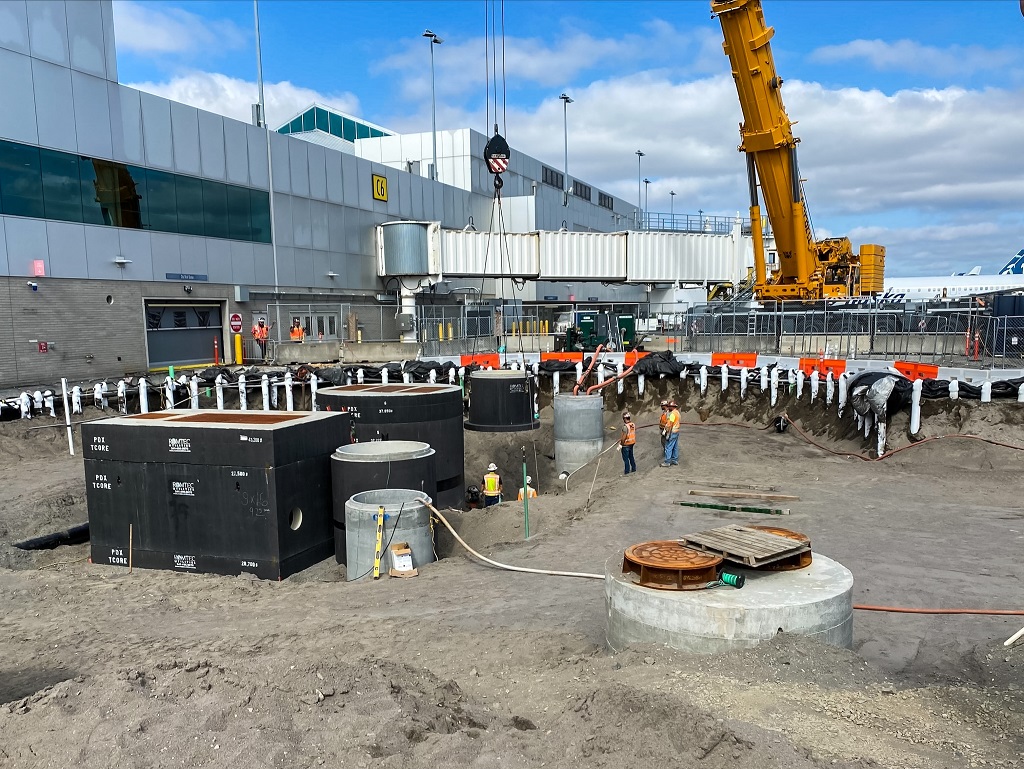
Image credit: romtecutilities.com
Thus, designing pumps isn’t just it’s a matter of finding a flow number and selecting machines that are able to meet the requirements. Engineers should be aware of the environmental conditions that the equipment will be exposed to.
Be aware of operating conditions, Not Just Maximum Capacity
The flow that is the highest in importance, but this is only one element of the station’s operation. Imagine a system for wastewater designed to provide a large peak flow. For the most part the flow inflow is less. In normal operating hours the station should be functional.
This raises questions regarding wet-well dimensions pumps, their operation and controls the head, conditions of the pump and how the equipment will handle an ever-changing demand.
A properly engineered package pumping system brings these factors in line with the requirements of the facility instead of thinking of maximum pump capacity as the entire design objective.
The rhythm of daily wastewater
During the life cycle of an wastewater lift station conditions for the influent may change.
The system must be able to collect water and operate its pumps based on the established control plan by the station. This process involves the structural dimensions, pumping gear, valves and piping as well as electrical components.
The design could also incorporate considerations specific to the site. Romtec Utilities can incorporate auxiliary systems like grinder vaults or odor-control equipment in the event that they are required by the particular application. It is cheaper to create stations around a specific project rather than implementing the same configuration for each wastewater facility.
Stormwater can change much faster
A stormwater lift station may see relatively little activity during dry conditions and then face substantially greater inflow during a weather event. The station might be a component of an overall flood-control strategy or a detention, treatment or drainage plan.
Romtec Utilities evaluates factors including required flow rates as well as head conditions, system size the site’s requirements, as well as environmental factors when designing these systems.
Stations that serve commercial developments could appear very different from the ones designed to serve municipal stormwater needs.
Both head conditions and flow are vital.
Moving 1,000 gallons of water is only part of the engineering issue. Engineers need to understand the direction that water will flow and how much resistance it will face.
Changes in elevation, piping configuration, discharge conditions, and many other characteristics of the system influence the head conditions that pumps work.
The relationship between flow and head is another reason that choosing a pump solely based on its rating isn’t enough. The technology of the pump and station layout must be in line with the hydraulic requirements of the particular application.
Create a design for the conditions the Station Will Experiece
Romtec Utilities develops customized pumping systems for stormwater, wastewater clean water boosters, industrial, and other applications. Its process may include budgeting and preliminary design as well as complete plans, system supply, documentation, and startup testing and commissioning.
The idea behind the system is as simple as this pumps don’t require a long time to work in a set of favourable conditions.
They should also take into consideration the particular needs of the project’s hydraulic system, and also the changing flow, demand and needs. A successful station must be designed to meet the demands of the future.